

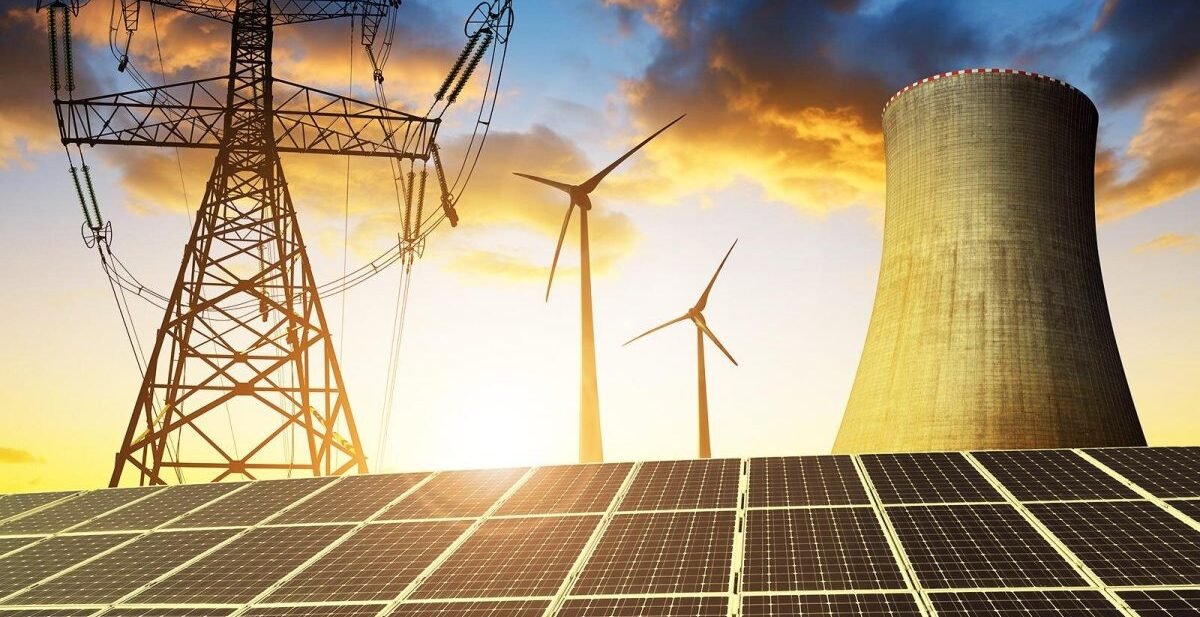
The renewable energy sector in India is undergoing a fundamental transformation. While solar and wind have proven their cost-competitiveness, the next challenge lies in reliability and dispatchability. Hybrid energy systems, which combine solar and wind generation, are emerging as a strategic solution to address intermittency while maximizing resource utilization. For industrial and commercial consumers, hybrid systems offer a pathway to stable, predictable renewable power that aligns with operational needs.
A hybrid energy system integrates multiple generation sources—typically solar and wind—into a single project framework. Unlike standalone installations, hybrid projects leverage the complementary generation patterns of different renewable resources. Solar power peaks during midday, while wind generation often increases during evening and nighttime hours. By combining these resources, hybrid systems improve overall availability and reduce the variability that characterizes individual renewable sources. This integration extends beyond generation. Hybrid systems share common infrastructure, including transmission lines, grid connection points, and monitoring systems. This shared infrastructure reduces capital expenditure per unit of installed capacity and improves project economics.
From a commercial perspective, hybrid energy systems offer several advantages over standalone renewable projects. They optimize the use of transmission infrastructure, reduce transmission losses, and improve grid stability. Hybrid configurations are well-positioned to meet future firm and dispatchable renewable energy requirements. Designing an effective hybrid energy system requires careful analysis of resource availability, site characteristics, and grid compatibility. Site selection is the first critical step; ideal hybrid locations have strong solar irradiation during the day and reliable wind resources during complementary hours. The ratio of solar to wind capacity depends on resource availability, land constraints, grid requirements, and commercial objectives. Grid integration is equally important for compliance with grid codes and system operator coordination.
While current hybrid projects primarily focus on solar-wind integration, the future of hybrid systems will likely include energy storage. Battery storage can further smooth generation variability and enable dispatchable power delivery. India’s renewable energy policy is increasingly supportive of hybrid projects. Recent regulatory developments reflect the government’s recognition of hybrid systems’ role in the energy transition. Corporate consumers are showing growing interest in hybrid power purchase agreements as organizations seek to meet sustainability targets and secure reliable renewable supply. Hybrid energy systems represent a critical evolution in India’s renewable energy landscape. They address the fundamental challenge of intermittency while improving economics and grid compatibility. Meridian Energy is committed to developing hybrid energy solutions that meet the needs of India’s industrial and commercial consumers.
This article offers insights and practical guidance on renewable energy and sustainability. Meridian Energy brings extensive experience across India’s clean energy sector. Contact info@meridianenergy.in to discuss how we can support your clean energy goals.